Well-planned refreshment choices can make breaks between sessions feel more welcoming, comfortable, and enjoyable. A thoughtful combination of flavors, textures, and convenient portions gives everyone an opportunity to relax, recharge, and return to the next session feeling refreshed.
Create A Pleasant Break Experience
Refreshment breaks provide a valuable opportunity to pause and enjoy something satisfying. Offering diverse choices can make these moments more engaging while creating a relaxed atmosphere where everyone can discover something they enjoy.
A balanced selection can include:
- Light snacks for quick and convenient enjoyment
- Sweet treats for a cheerful flavor boost
- Savory selections with satisfying textures
- Fresh options for a lighter break
- Convenient portions that are easy to enjoy
Balance Sweet And Savory Flavors
Combining sweet and savory choices creates a more appealing refreshment experience. Different flavor profiles allow people to select according to their preferences, while varied textures add extra interest to every break.
Popular combinations can feature:
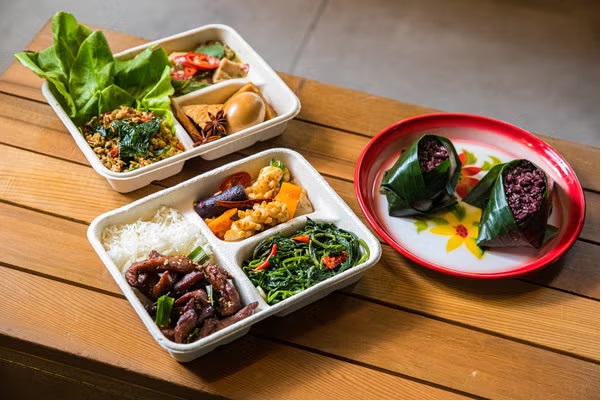
- Crunchy snacks paired with smooth dips
- Soft baked treats alongside crisp selections
- Sweet bites complemented by savory favorites
- Mild flavors balanced with richer options
- Fresh ingredients combined with comforting choices
Encourage Comfortable Social Moments
Breaks can become enjoyable social opportunities when refreshments are easy to share and explore. A varied selection naturally encourages conversations as people exchange recommendations, discover favorites, and enjoy relaxed interactions.
These moments can be enhanced through:
- Shareable portions that encourage interaction
- Attractive arrangements that invite exploration
- Clearly separated choices for easy selection
- Comfortable serving formats for casual enjoyment
- Varied options that appeal to different preferences
Support Energy And Refreshment
A suitable refreshment selection can help maintain a positive mood throughout a full schedule. Providing lighter and more satisfying options gives people flexibility while allowing them to choose something that suits their immediate needs.
Helpful choices may include:
- Fruit-based selections for natural freshness
- Nutritious bites for satisfying nourishment
- Wholesome snacks for steady enjoyment
- Refreshing beverages to complement food
- Small portions for convenient tasting
Add Variety To Every Session Break
Changing refreshment choices across different breaks keeps the experience interesting. Introducing new combinations, seasonal flavors, and different presentation styles can create a sense of anticipation while ensuring that every pause feels distinctive.
Variety can be introduced with:
- Rotating sweet and savory selections
- Different textures and serving styles
- New flavor combinations
- Fresh presentation ideas
- Assorted portions for greater flexibility
Make Every Choice Feel Welcoming
Thoughtful refreshment planning can turn ordinary breaks into pleasant highlights. With balanced flavors, convenient portions, and appealing variety, each selection can contribute to a comfortable and positive experience. A carefully arranged spread such as Yaisom can further support an inviting break atmosphere by giving people opportunities to explore different tastes at their own pace. When refreshment choices are diverse and thoughtfully presented, every pause between sessions can become a satisfying moment to relax, connect, and return with renewed enthusiasm.